EV Safety Guide
|
5 MIN READ
Beat the Heat: How to prevent your electric vehicles from overheating & battery failures
Electric vehicles have become very common on Indian roads today. From Quick doorstep delivery and passenger cab services to campus shuttles. They are efficient, clean, and reliable, but like any machine, they need care. However, one of the biggest unknowns for EVs is battery handling, which can sometimes lead to overheating or damage.
This guide helps fleet operators, depot managers, and drivers understand why EV batteries overheat, what warning signs to watch for, and how to keep vehicles, chargers and parking areas safe.
Why EV batteries overheat
EVs mostly use lithium-ion batteries, which are usually safe when handled properly. However, if a cell inside the battery becomes damaged or is charged beyond its limits, it can heat up rapidly. When that heat spreads faster than it can escape, it can trigger what experts call thermal runaway.
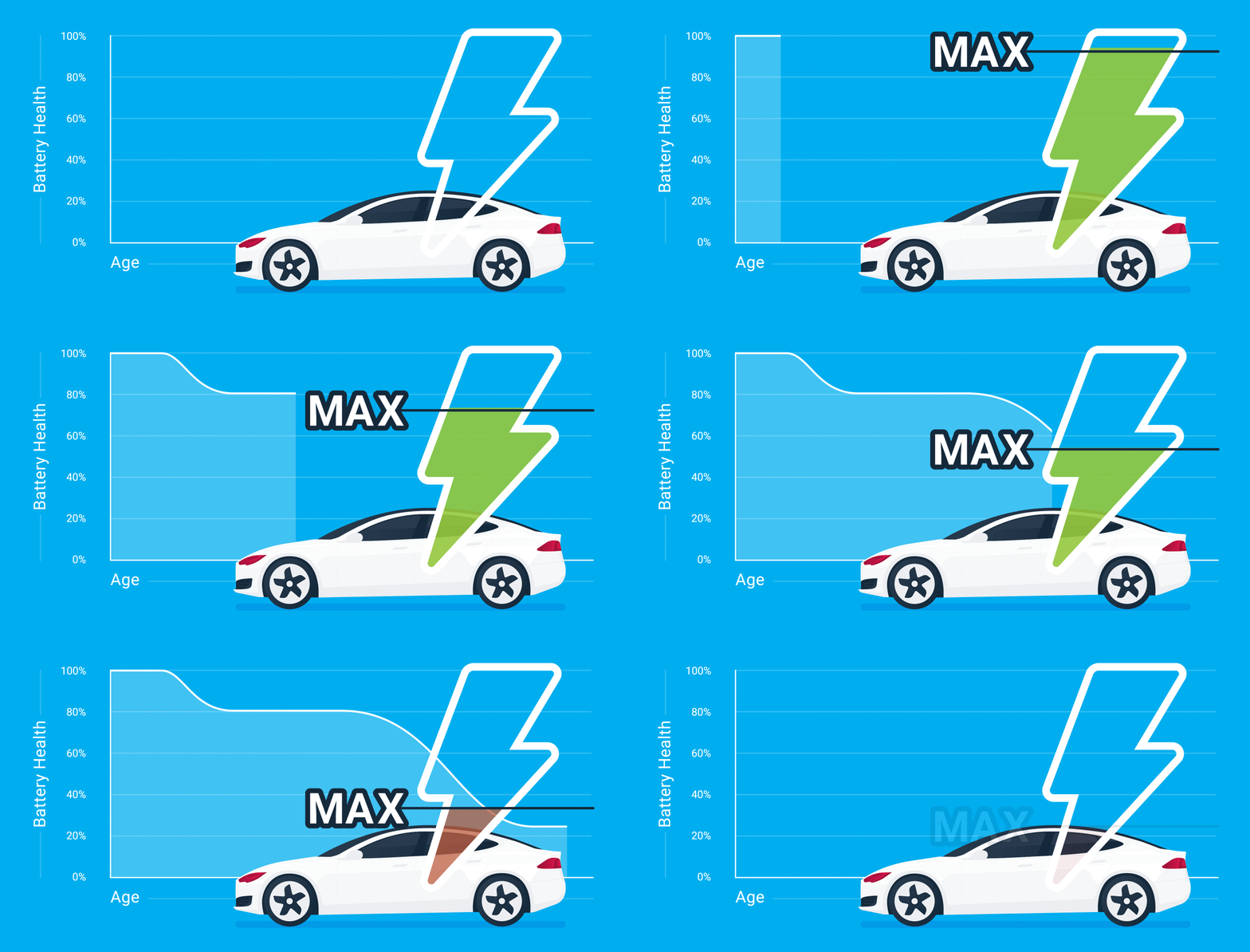
This is how your EV feels when the battery is overheating… and you ignore the warnings.
In simple terms, thermal runaway is a heat chain reaction: one cell gets hot, nearby cells follow, and the temperature shoots up further. This can happen due to rough usage like over-speeding and sudden breaks, poor-quality chargers, blocked ventilation, or dust and moisture entering battery connectors.
EV fire incidents in India
India has seen several EV fire reports in recent years, especially in summer, warm weather and high-usage fleets. These incidents often involve two patterns: charging in confined spaces and poor electrical installations.
Some state reports and news stories have highlighted multiple EV fire cases over a few years, with many linked to short circuits or unsafe wiring. In other cases, large groups of scooters or carts caught fire while parked and charging, often in basements or storage areas with LPG cylinders or other flammables nearby. At first, early reports blamed the battery as the main cause, but later investigations pointed to intentional damage or faults in other components.
How fleets can prevent battery mishaps
Most overheating issues are avoidable when fleets follow a few steady habits.
- Plan to charge in shifts so you don’t have too many vehicles drawing high loads in a small indoor space at the same time.
- Use certified chargers with proper earthing, RCDs and surge protection instead of improvised wiring or low-quality adapters.
- Avoid frequent fast charging, as it puts stress on battery cells and can reduce battery life over time.
- Keep vehicles in a moderate charging range when possible. Staying between 20 and 80% puts less stress on the cells and improves long-term health.
- Watch battery state of health and temperature patterns. If you notice sudden drops in range or repeated high-temperature alerts, check the pack and the charging setup before putting the vehicle back in operation.
How TapFin FleetForce helps
TapFin FleetForce makes these safety routines easier to follow across a large fleet.
- FleetForce tracks battery temperature, driving pattern and charging behaviour in real-time, and alerts you instantly when a vehicle shows abnormal heat, unusual resistance, or repeated BMS warnings, so your team can take necessary before it becomes a risk.
- It also shows charging patterns across locations. This helps identify overloaded circuits, poor ventilation zones, or chargers that frequently cause heat spikes. You can plan staggered charging windows and avoid clustering high-load vehicles together.
- FleetForce keeps a log of every charge cycle, alert and maintenance action. This gives you a clear paper trail for audits, insurance and OEM warranty cases.
In short, FleetForce helps fleets catch issues before they turn into overheating incidents, reduces guesswork for depot teams and keeps vehicles running safely with fewer surprises.
Explore the dashboard
Experience the full capabilities of FleetForce through our live dashboard.
Safe charging practices for depots and parking areas
Depot layout and charging zone design have a big impact on safety.
- Make sure charging areas have good ventilation, so heat and fumes do not build up.
- Keep chargers and vehicles away from flammable storage such as LPG, petrol, paints or cardboard.
- Use clear markings, wheel stops and painted bays so vehicles park correctly and cables do not get crushed or tangled.
- Keep suitable fire extinguishers close to charging zones and train staff in basic emergency steps.
Maintenance and monitoring that reduce risk
- Use telematics or fleet inteligence platforms to track battery temperatures, charging currents and BMS alerts so you can spot patterns early.
- Schedule regular inspections for battery packs, connectors, cables and charging guns, and replace damaged components quickly.
- Keep software updated so BMS and thermal management systems work with the latest safety logic.
What to look for when buying EVs for fleet use
When you add new vehicles to your fleet, treat safety as a core selection parameter, not a side note.
- Check that the vehicle has a strong thermal management system, with liquid or advanced air cooling for the battery.
- Look for proven BMS features such as cell-level monitoring, temperature sensors and clear alerts for high temperatures or imbalances.
- Ask for transparent safety test information and certifications, and review the battery and powertrain warranty terms carefully.
- When purchasing a used EV, choose trusted platforms like TapFin ReSell to get complete vehicle history, detailed asset health, and verified vehicles by trusted sellers.
Closing notes for fleet operators
Overheating issues in EVs are largely preventable with the right habits and basic infrastructure. Even simple steps like monitoring the driving and charging patterns, regular BMS and overall asset health checks and driver awareness reduce most common risks.
Start with a quick depot audit, review your charging layouts, check the quality of chargers and cables, and run a short safety briefing for your drivers and ground staff. These fundamentals alone can make a big difference to safety, uptime, and peace of mind for your entire fleet.
Reach out to us